Learn • Explore • Discover

Journey Through the Universe
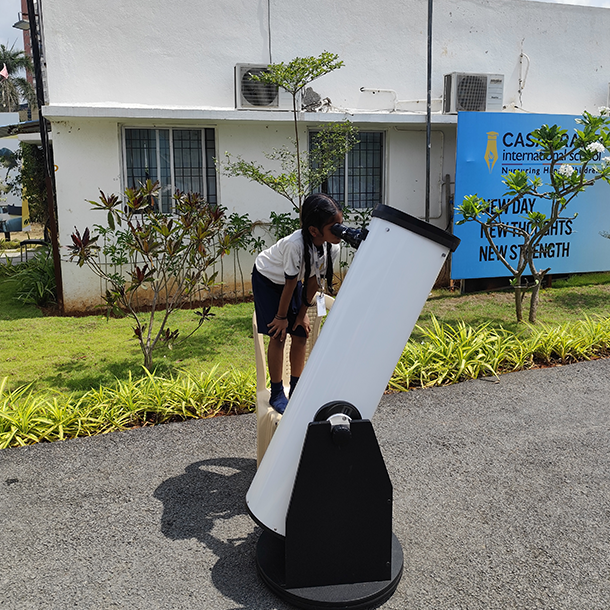
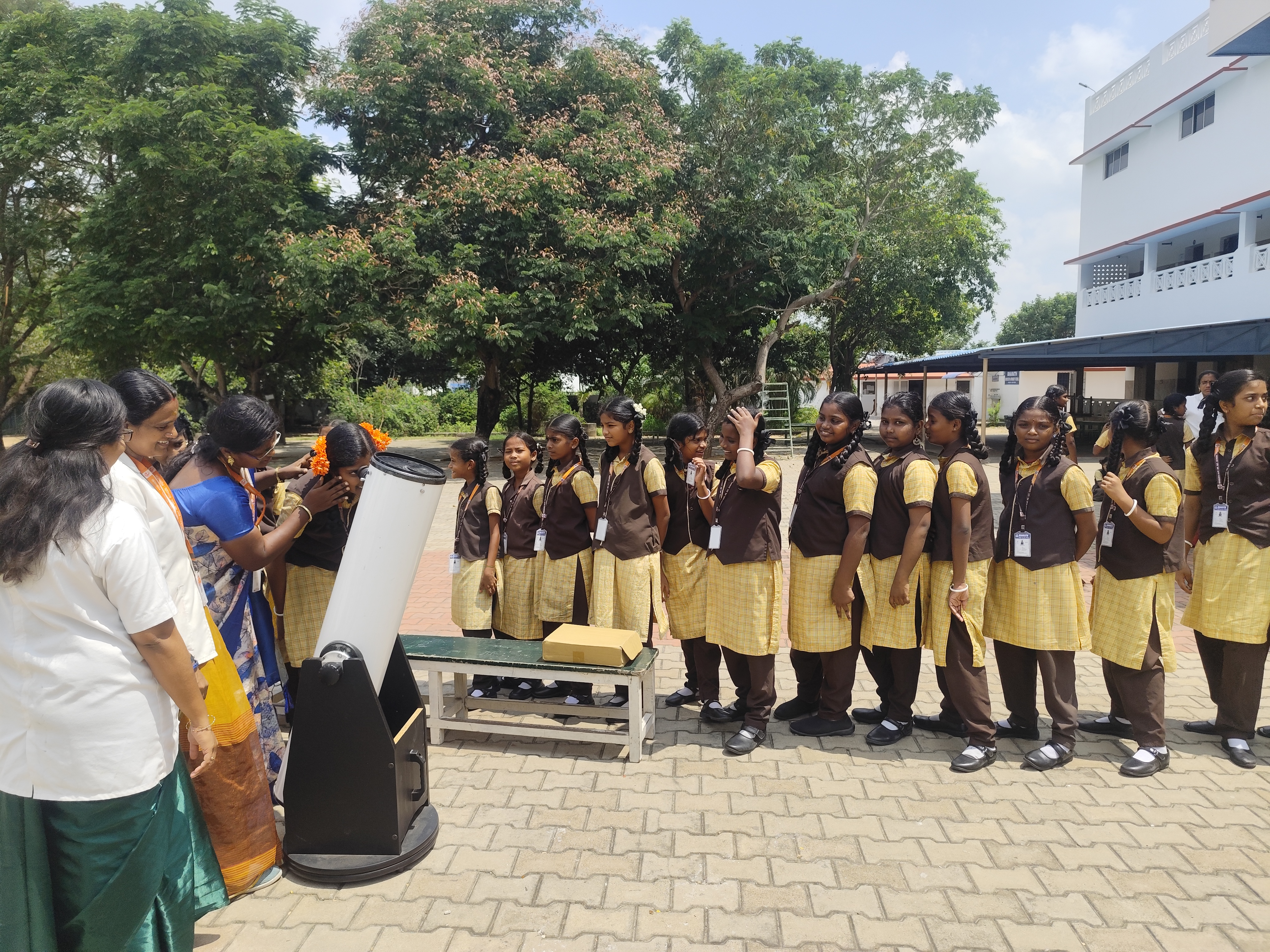
Our stargazing in schools program invites students to explore the night sky through powerful telescopes, guided by expert astronomers. From planets and star clusters to galaxies and nebulae, we bring celestial wonders to your school grounds, making astronomy interactive, educational.
Engage students in hands-on astronomy with stargazing in schools, encouraging curiosity, teamwork, and STEM learning while exploring planets, stars, and galaxies firsthand.

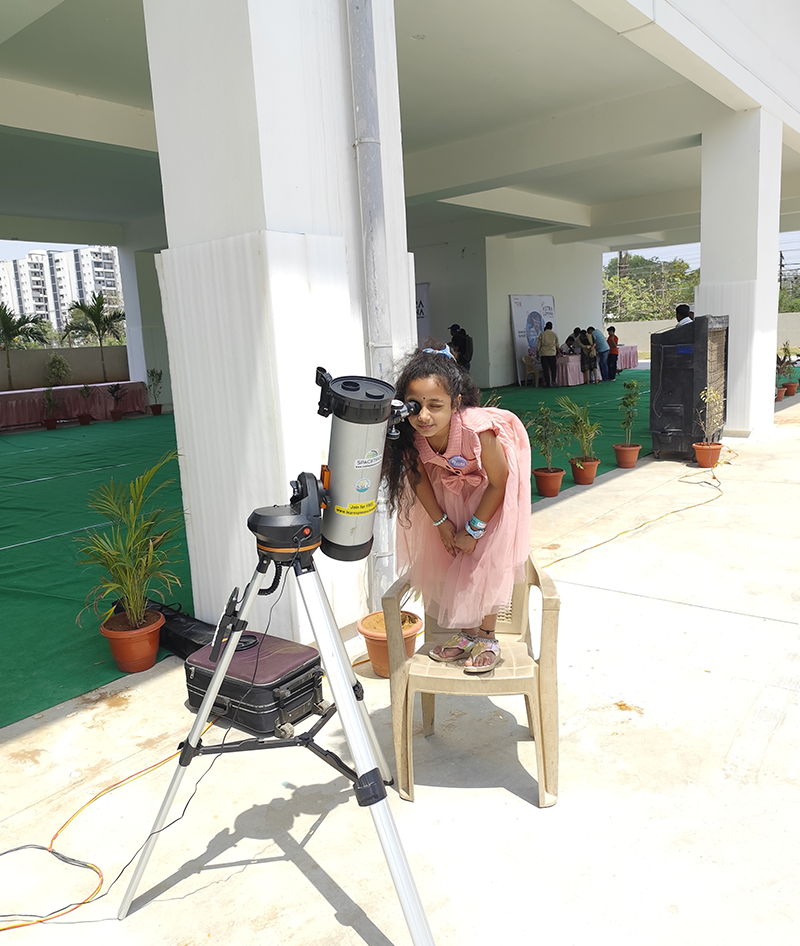
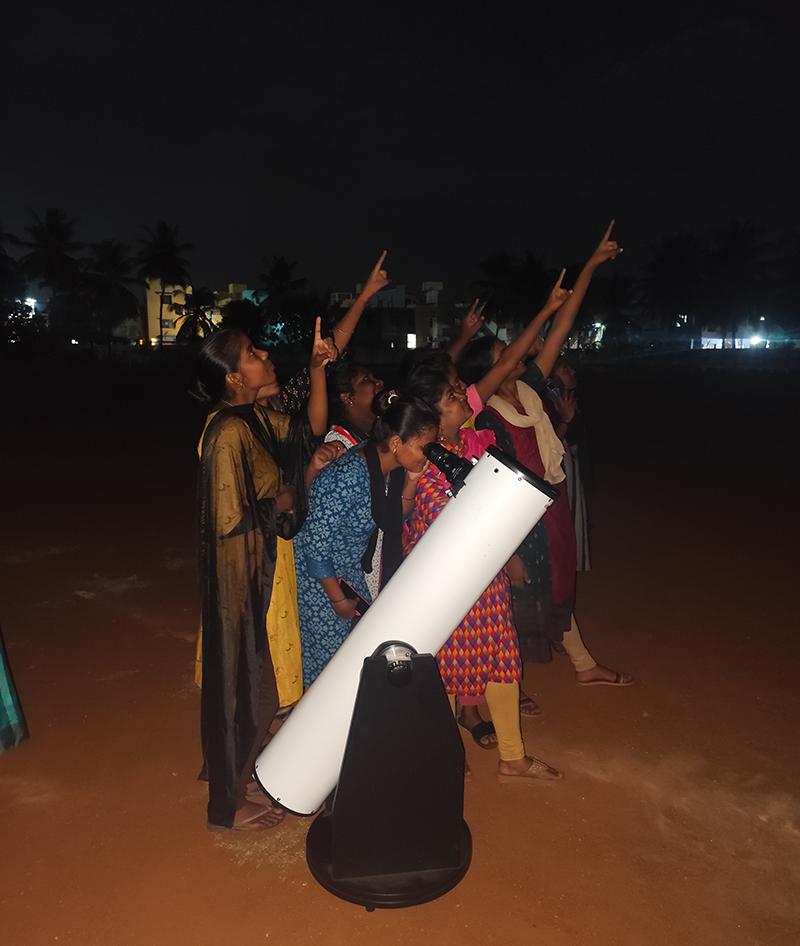
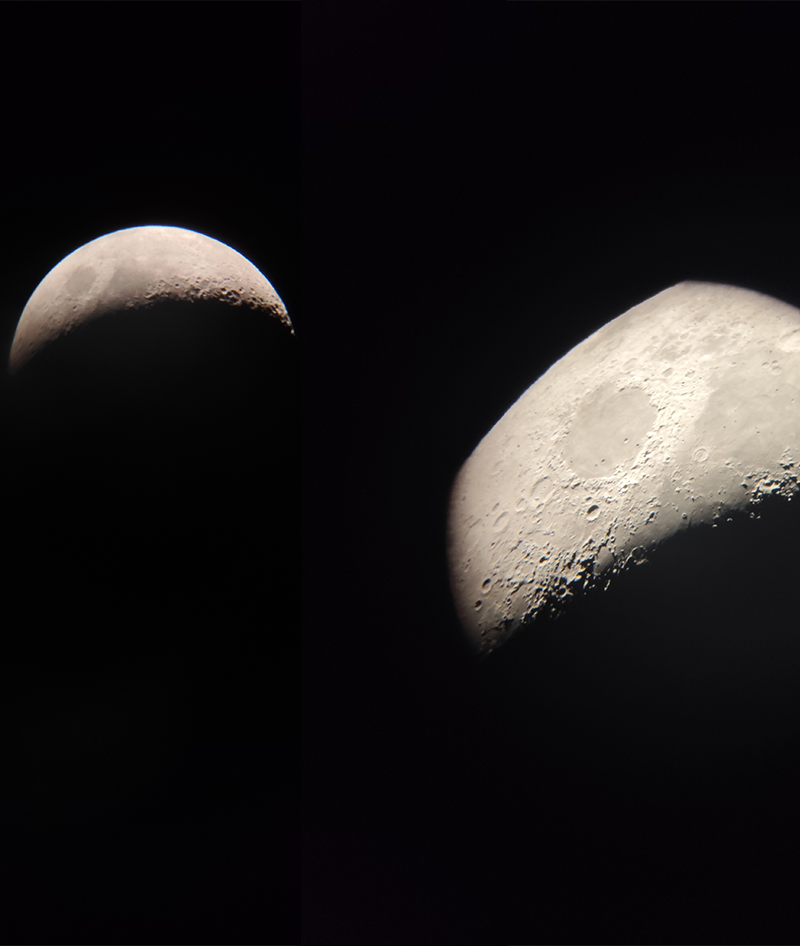
Students witness planets, galaxies, and nebulae through telescopes — an unforgettable real-world learning experience.

Learn how to use telescopes, navigate the night sky, identify constellations, and interpret what you see.

The beauty of the cosmos often sparks questions and interest, motivating lifelong learning in STEM fields.

Share a unique, bonding experience with classmates, family, or friends under the same celestial show.
Our guides are trained astronomers and educators who know how to make astronomy accessible, accurate, and exciting.
We use advanced telescopes, filters, and lenses — optimized for light conditions and target objects — to ensure clear, rich views.
We come to your location — school yard, open field, community space — with a minimal footprint and swift setup.
We don’t just show the sky — we weave narratives, link to your syllabus, and deepen understanding through stories and context.
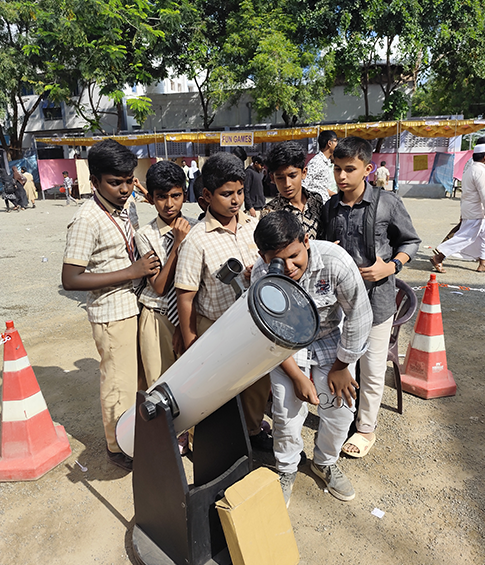
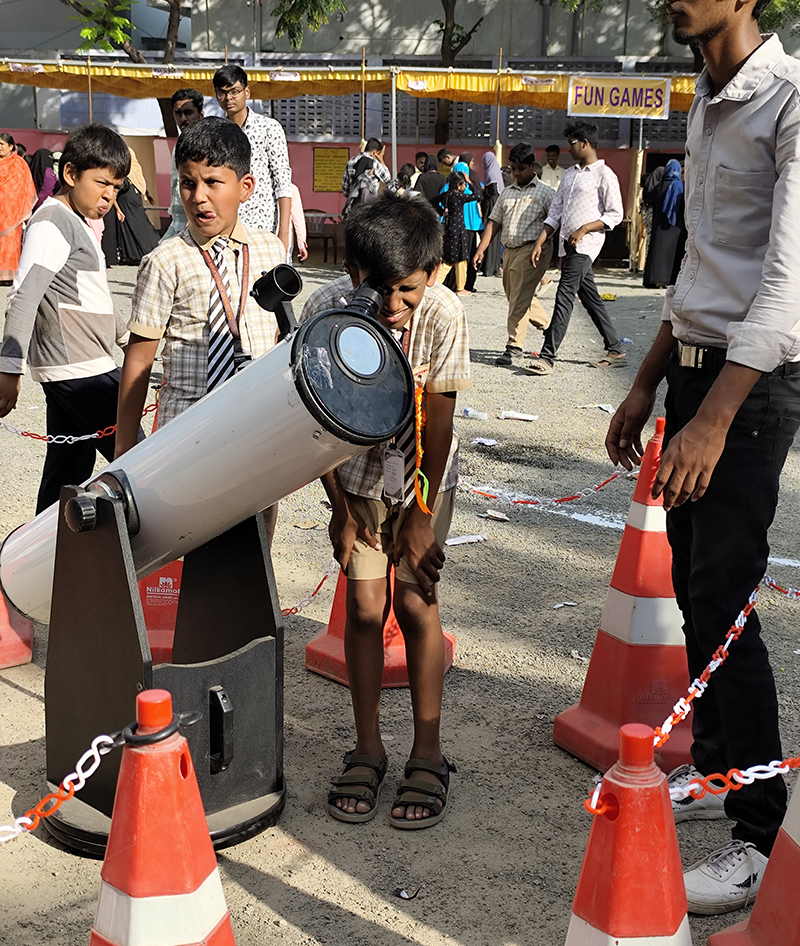
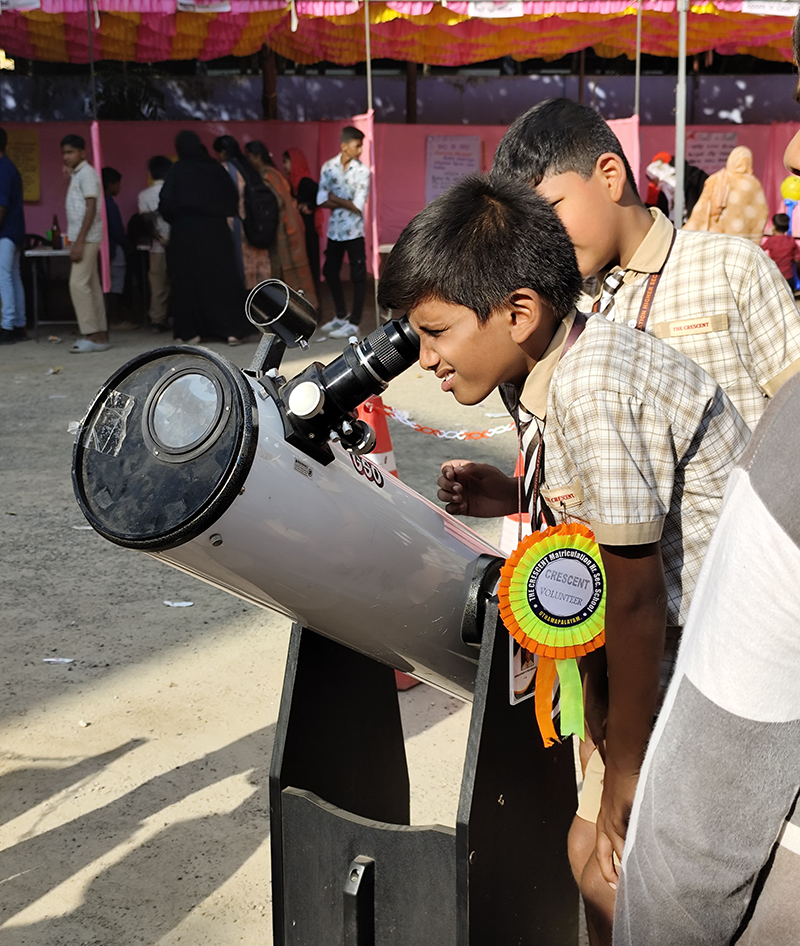
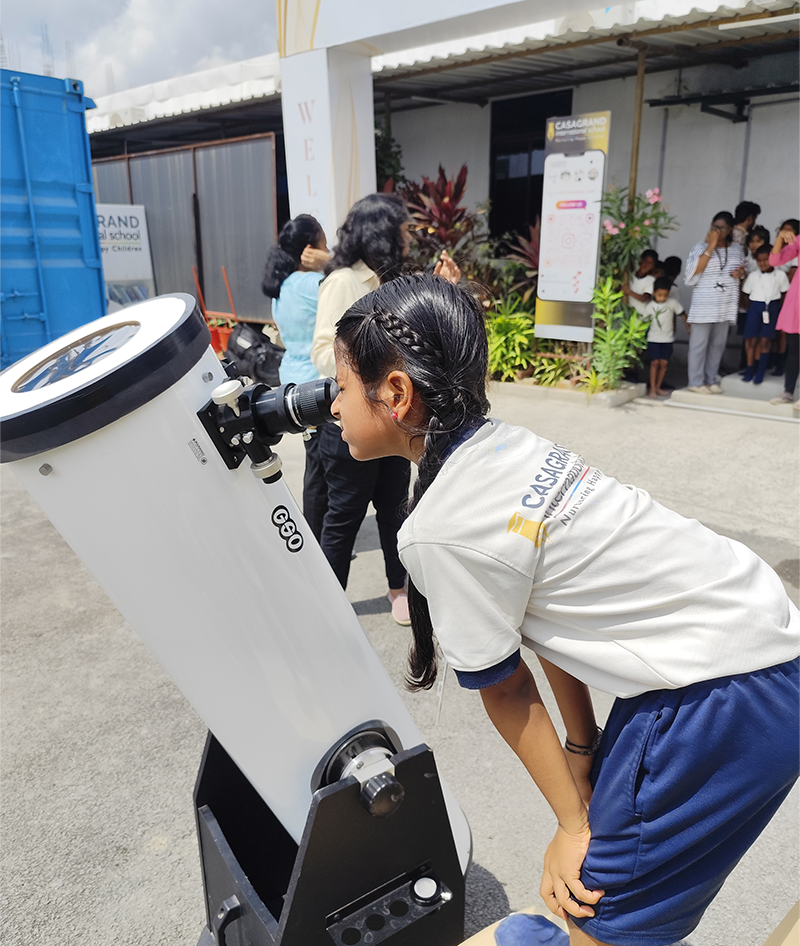
See photos of students enjoying stargazing in schools : peering through telescopes, viewing planets, discovering the wonders of the night sky.


The planetarium show was very good. I have enjoyed a lot and it is useful for me know more about space.The background music makes the show more exciting and gives sense of adventure
The planetarium is wonderful. It is similar to the tiruvantram planetarium. It was realistic to watch. The planetarium was so good in the 3D view. And the rockets fire were realistic. I loved it
The planetarium show was very interesting. The show was very realistic. And it was the informative.it was a good experience to learn about moon and outer space.

The mobile planetarium show at my school was an enthralling experience which I never had before. In the show, I learnt about life and death of dinosaur. The mini handbook which I received was very informative.
The experience of watching videos inside the dome like make shift planetarium was fantastic. The videos were so real that we felt as were in space. The demonstrators were very knowledgeable and enthusiastic. They explained all the concepts very well





















Step Into
Space LearningNo — our stargazing in schools sessions start from basics and build curiosity naturally.
Typically 20–50 participants per session, depending on location, available telescopes, and darkness.
We monitor weather closely and offer backup dates or indoor planetarium shows as alternatives.
Yes — we bring telescopes, mounts, filters, sky maps, and presentation materials.
Usually 60 to 90 minutes, depending on how many objects we can cover and participant engagement.
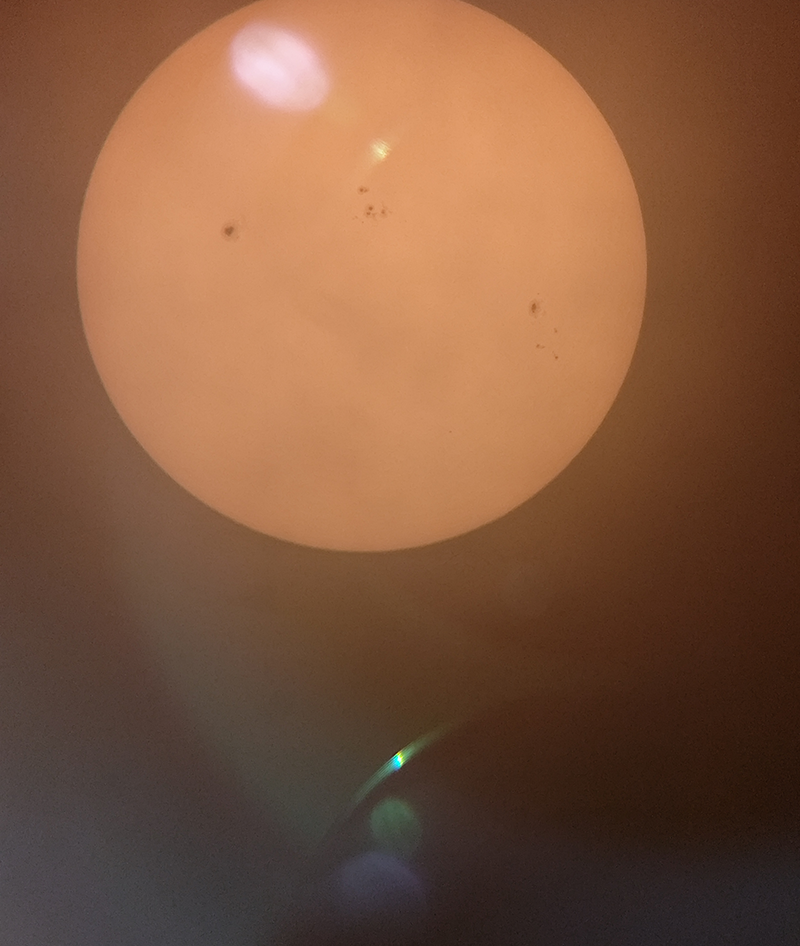
For solar stargazing, we use certified solar filters and strict protocols to protect eyes. Only during daytime sessions.
Yes — we tailor target selection (bright planets, stars) and use filtering techniques to maximize visibility.
After astronomical twilight on moonless nights, ideally between 8 pm and midnight; we coordinate dates in advance.
Yes — we carry battery or generator power, red-light lighting for visibility without affecting night vision.

Bring our mobile planetarium to your school or event. Experience immersive cosmic learning that inspires curiosity and creativity.