The Importance of Astronomy: Exploring the Universe through After School Activities

Imagine gazing at the night sky filled with countless stars and feeling a deep sense of awe and wonder. A planetarium show brings this same sense of cosmic curiosity into the school environment, making astronomy more vivid and accessible for students. Beyond the beauty of the night sky lies a powerful learning opportunity — one that helps students develop critical thinking skills, spark curiosity, and unlock an entire universe of knowledge waiting to be explored.
Developing Critical Thinking Skills through Astronomy:
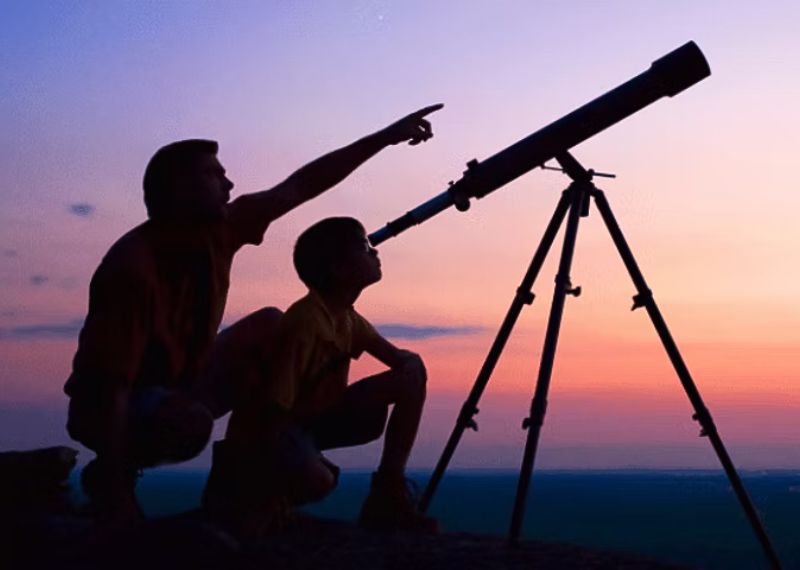
Astronomy is a great way for students to develop critical thinking skills. Through observation and data analysis, students learn to think critically and form well-informed conclusions. They are exposed to difficult concepts that need to be solved through logical reasoning and hypothesis testing.
Fostering Curiosity and Wonder:
Children are naturally curious about the world around them, and astronomy is a great way to satisfy this curiosity. Learning about the stars, planets, and galaxies instils a sense of wonder and sparks their imagination. The universe and its many mysteries encourage them to ask big questions and find answers that help them understand the universe better.
Interdisciplinary Links:
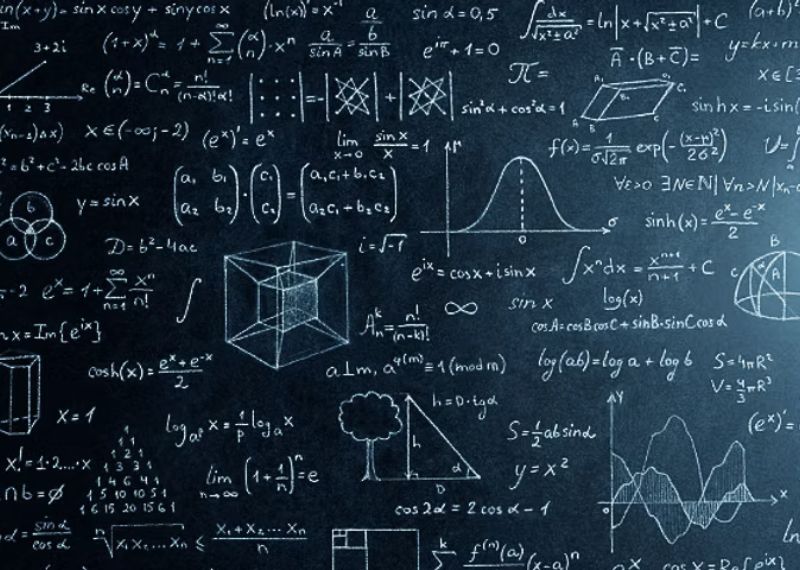
Astronomy is not a standalone discipline but one that links with other subjects. It links with physics, math, geography, and other subjects. Studying these links helps students understand other subjects better and helps them learn in a holistic manner.
Scientific Literacy:
Scientific literacy is essential in today's world, and astronomy is the best way to introduce scientific literacy. By studying astronomy, students are introduced to scientific concepts, processes, and tools. This prepares them for various careers in the future in areas such as Astrophysics, Aerospace Engineering, and planetary science.
Hands-on Learning and Applications:
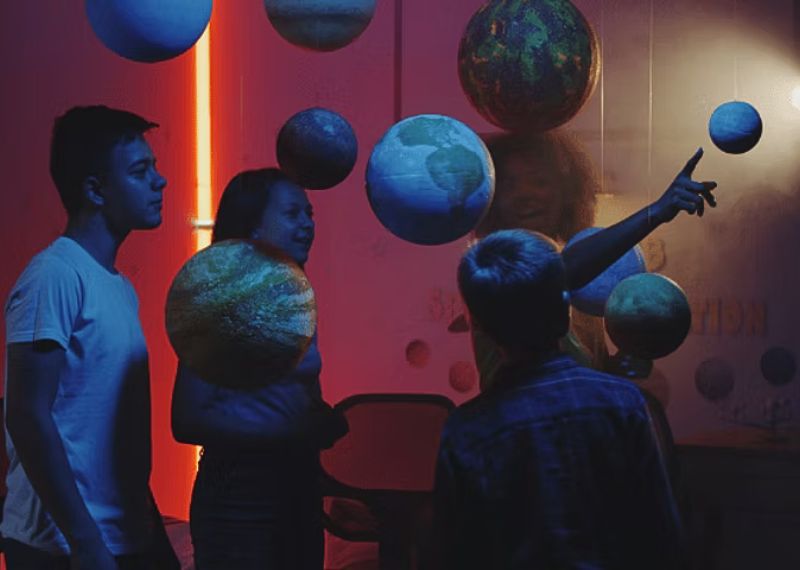
Astronomy is a subject that allows hands-on learning. By looking at the night sky through telescopes and visiting planetariums, students have hands-on experiences that help make the subject more interesting. They experience scientific processes firsthand and feel a personal connection to the universe. Moreover, the applications of astronomy, such as GPS, affect our lives directly.
Astronomy, as a discipline, is more than just a subject of scientific study. It is a catalyst for intellectual development and curiosity. It develops critical thinking skills, sparks a sense of wonder, and presents opportunities for fascinating career options. By integrating astronomy education into the education system, we are cultivating the next generation of curious minds to venture out into the vast universe and uncover its secrets.
What can you do to imbibe Astronomy Education in Education:
As educators and parents, let us not miss the opportunity to ignite a passion for space in the next generation. Hosting a planetarium show can serve as a powerful starting point, inspiring students to reach for the stars and explore the limitless possibilities within astronomy. By connecting them with initiatives such as the Space Science Learning Club and SpaceTrek Planetarium, we can extend learning beyond regular classrooms and encourage a lifelong journey of discovery.
Offering after-school activities in Astronomy and Space Science creates meaningful opportunities for deeper exploration. As students participate in hands-on experiments, observe celestial wonders through telescopes, and work on engaging projects, they strengthen not only their understanding of space but also essential skills like teamwork, communication, and problem-solving.
The inclusion of astronomy as an enrichment program fosters a vibrant community of young learners who share ideas, inspire one another, and grow together. By incorporating structured space education initiatives into after-school programs, schools can nurture curiosity, broaden perspectives, and set students on an exciting cosmic path of lifelong learning.

Dr. Vinod Kumar is a leading space education mentor, NASA-certified MARS program coach and ISRO tutor, inspiring curiosity through innovative STEM initiatives, impactful internships, and transformative programs reaching over one million students across 2,000 schools.