Why a 3D Show Is Shaping the Future of Science Education in Schools
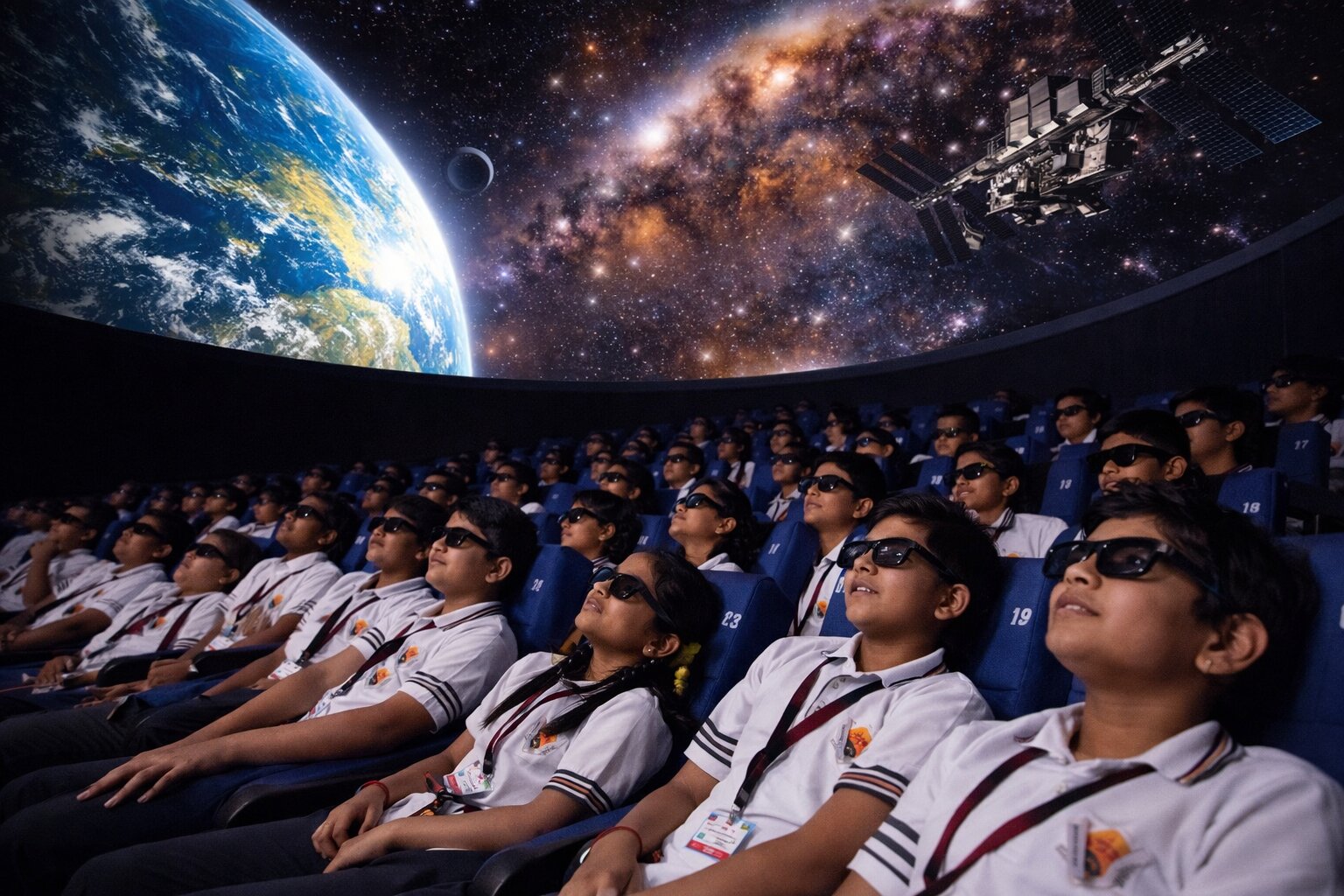
Science education is changing fast, and classrooms are no longer limited to textbooks and pictures. Today, immersive learning experiences are transforming the way students understand scientific concepts. A 3d Show brings science to life, making complex ideas easier to grasp and more engaging for young learners. Instead of simply listening to explanations, students experience concepts visually, which helps them understand lessons more clearly and remember them for a longer time.
Schools around the world are recognizing that hands-on and experiential learning benefits students greatly. It improves memory, increases curiosity, and keeps them actively engaged in the classroom. As institutions prepare students for a technology-driven future, immersive visual learning methods are becoming an increasingly popular and effective way to teach science.
The Shift from Old Teaching Methods to Immersive Learning
For many years, science education relied on blackboards, charts, and printed diagrams. While these tools remain important, they are often limited when explaining abstract topics like space, molecules, or environmental systems. Students are expected to imagine processes that are too small, too large, or too distant to observe directly.
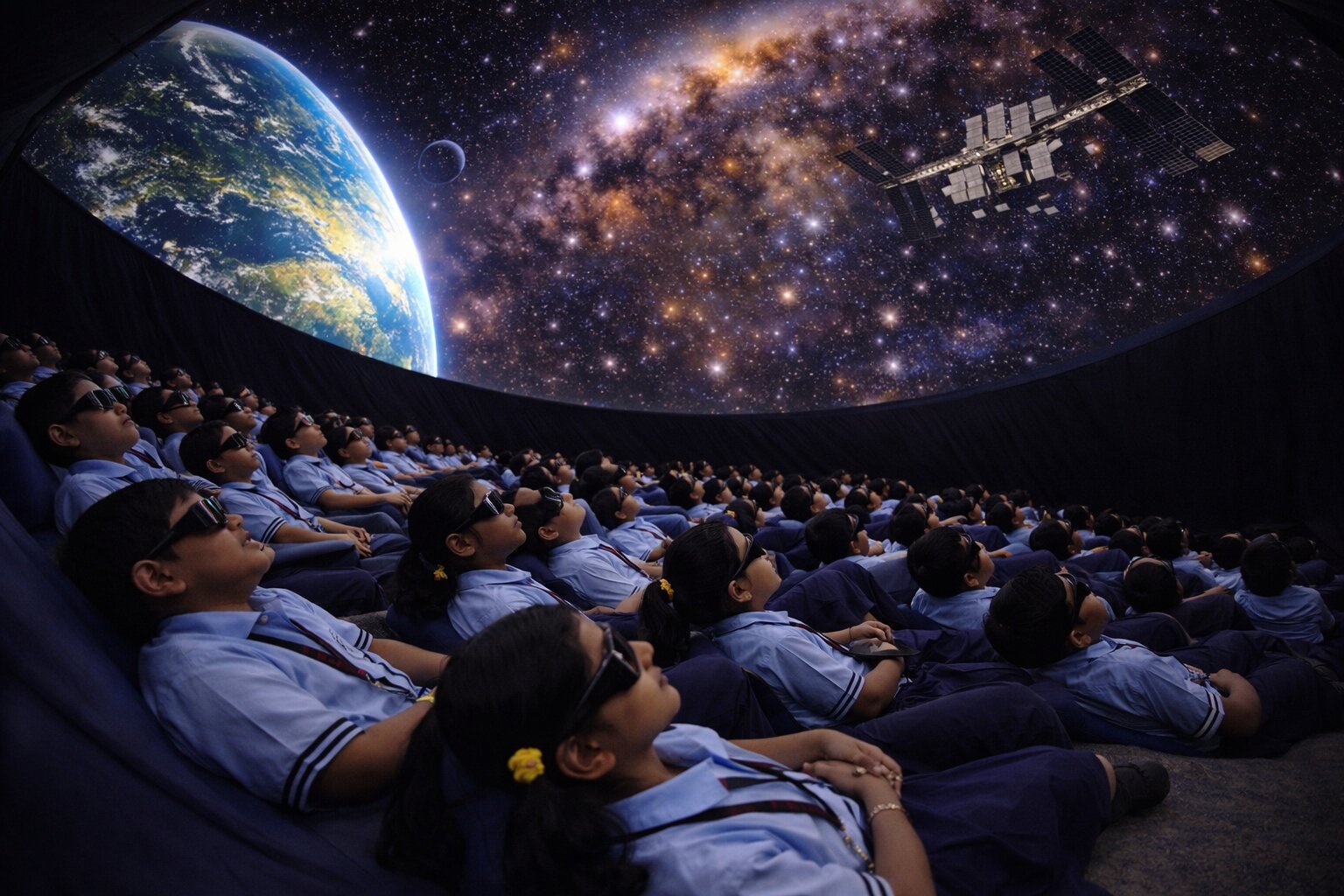
A 3D Show transforms this experience by turning lessons into interactive journeys. Instead of imagining how planets move, students can see orbital motion in action. Instead of memorizing constellations from textbooks, they can explore the night sky inside a Dome Planetarium Show that surrounds them with 360-degree visuals, creating the feeling of being in space.
Making Complex Scientific Concepts Easier
Science can be challenging because it involves many complex ideas. A 3D Show helps simplify and visually explain topics such as:
- Why do planets move in specific paths?
- How are black holes formed?
- What causes seasons to change?
- How does climate change affect the planet?
When students experience lessons visually inside a Dome Planetarium Show, they become active participants in the learning process. This immersive setting strengthens analytical thinking and deepens their understanding of scientific principles.
The Educational Impact and Accessibility of a 3D Show
The benefits of a 3D Show extend beyond engagement. It improves focus, enhances classroom participation, and strengthens concept clarity. When students observe scientific processes in action, they better understand the relationships between different concepts.
Supporting Teachers and Curriculum Goals
Teachers often face challenges explaining complex scientific topics within limited classroom time. A 3D Show supports educators by providing clear visual explanations that complement textbook lessons.
- Makes abstract concepts easier to explain
- Provides strong visual demonstrations
- Keeps students engaged
- Aligns with science curriculum goals
A Dome planetariun show does not replace traditional teaching methods. Instead, it strengthens them by adding depth and clarity. Schools can integrate immersive sessions into science lessons, workshops, and academic events.
Making Immersive Science Education Available to Everyone
In the past, schools needed significant funding to provide immersive science education. Today, portable systems make it possible for institutions to host advanced visual science programs without heavy investment. This advancement allows all types of schools — including government and rural institutions — to deliver high-quality science exposure in an affordable and practical way.
For schools that are far from large science museums or observatories, a Dome Planetarium Show brings advanced science education directly to the campus. Students who might never get to visit an observatory can still explore the universe from their own school, experiencing astronomy, space science, and Earth systems in an engaging and interactive way.
As technology continues to improve, immersive learning tools are becoming more interactive and impactful. Education must evolve alongside technological progress to remain effective and relevant. Well-designed visual learning experiences do more than entertain; they strengthen understanding, spark curiosity, and enhance scientific knowledge.
By integrating a 3D Show into school programs, institutions can create meaningful educational experiences that transform how students view science and the universe. As classrooms modernize, experiential learning through immersive visual technology will play a vital role in shaping confident, curious, and future-ready learners prepared for a technology-driven world.
Conclusion
Science education is moving toward a future where learning is interactive, engaging, and experience-based. A 3d Show transforms traditional lessons into immersive journeys that help students understand complex scientific concepts with greater clarity. Instead of simply memorizing facts, students are able to visualize, explore, and connect with scientific ideas in a meaningful way, improving retention and deepening curiosity.
By integrating immersive visual learning tools into school programs, institutions can create impactful educational experiences that support academic goals and inspire future aspirations. As classrooms continue to modernize, experiential science education will play a vital role in shaping confident, curious, and future-ready learners prepared for a technology-driven world.

Dr. Vinod Kumar is a leading space education mentor, NASA-certified MARS program coach and ISRO tutor, inspiring curiosity through innovative STEM initiatives, impactful internships, and transformative programs reaching over one million students across 2,000 schools.